
China Refurbishes the Worlds Electronic Waste Creating a New Circular Economy | OFei Lens
China electronic waste refurbishment is transforming discarded machines into valuable assets. Discover how China is building a full circular economy that collects, rebuilds, and exports refurbished air conditioners and industrial equipment to global markets.
ENVIRONMENT
Harriet Comley
12/8/20253 min read
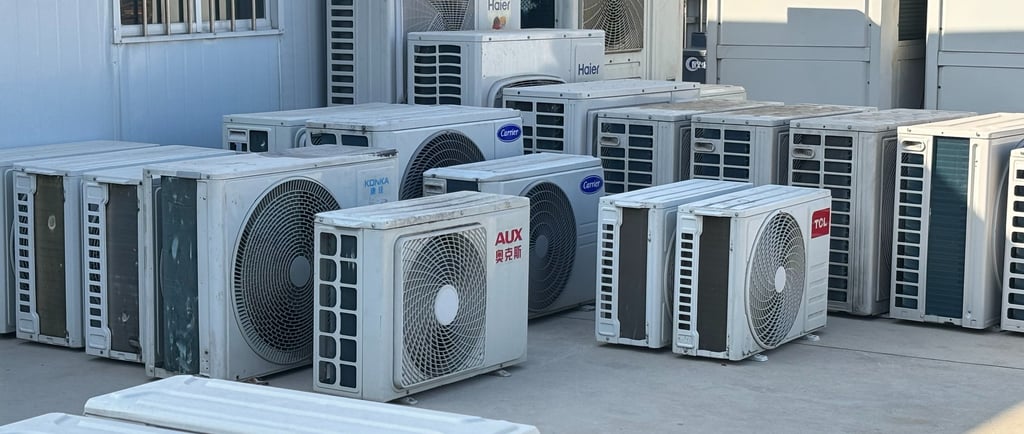
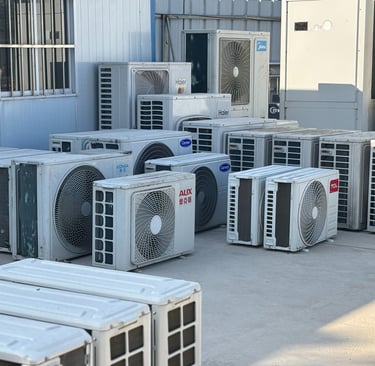
Every year the world produces mountains of discarded electronics. Air conditioners, refrigerators, laptops, industrial chillers, televisions, mobile phones, commercial lighting systems, and countless other machines are pushed to the edge of their life cycle and abandoned. The United Nations estimates that the world generates more than 60 million tonnes of electronic waste in 2022, yet less than a quarter is properly recycled. Most of it ends up in storage, in landfills, or in the informal recycling sectors of developing countries.
At first glance this looks like a waste problem. In reality it is an economic story. Where most countries see rubbish, China sees raw material. Where others see an environmental burden, China sees a circular industry with enormous commercial value. This is the quiet transformation shaping the global second hand and refurbished electronics market, and it is unfolding at a scale that very few people outside the sector understand.
Across China a full chain system has taken shape that no other country currently matches. Collection networks pull in old equipment from hotels, factories, office buildings, supermarkets, hospitals, and residential areas. Technical teams test, grade, clean, repair, and rebuild the units. Spare part manufacturers supply compressors, filters, circuit boards, sensors, and casings. Digital platforms match buyers and sellers. Logistics companies move refurbished equipment across provinces and across borders. The result is a system where an air conditioner that would have been scrapped in Europe or the United States is given a second life, often with performance nearly equal to a new product but at a fraction of the cost.
This is not simply recycling. It is remanufacturing. It requires engineering standards, compliance checks, specialist machinery, and regulatory oversight. China is developing guidelines, quality controls, and verification methods that aim to standardise the second hand industry and ensure consumer confidence. The intention is clear. Refurbished goods should carry legitimacy similar to new products, supported by documented testing, traceability, and certification.
A major driver behind this transformation is the global south. Many countries face rising demand for appliances and machinery but lack the purchasing power for brand new units. Africa in particular has become one of the most significant destinations for refurbished air conditioners, refrigerators, lighting systems, and industrial equipment. Buyers across West, East, and Southern Africa seek reliable performance at lower cost, and refurbished machines provide exactly that. They fill an economic gap that new imports cannot reach.
OFei has witnessed this shift directly. During a recent visit to a refurbished air conditioner facility in China we observed the complete process from recovery to testing, repair, and final quality checks. The factory handled both domestic units and large commercial systems and demonstrated the level of organisation and technical skill that now defines this industry. For partners who require refurbished air conditioners at competitive prices we can provide direct sourcing and support across domestic and commercial categories.
The environmental implications are equally significant. When a 5 ton industrial chiller is refurbished rather than discarded, the world avoids additional metal extraction, manufacturing emissions, and transport related carbon output. When thousands of domestic air conditioners are recovered, cleaned, tested, and resold, the reduction in waste and energy consumption is substantial. China is positioning its remanufacturing industry as a central tool for low carbon development and for the wider global circular economy.
More importantly, the system is evolving into an international engine. The world throws it away. China refurbishes it. Africa, Central Asia, Southeast Asia, and parts of Latin America buy it. What once moved in one direction as waste now moves back into global markets as affordable and reliable equipment. The pattern of developing countries being expected to absorb discarded goods is shifting. Many are now purchasing value added products rebuilt by Chinese industry, supported by proper testing, warranties, and supply chain infrastructure.
This marks the beginning of a new economic geography. The lifecycle of electronics does not end at disposal. It continues through structured recovery and remanufacturing. Environmental responsibility becomes profitable. Chinas industrial capability provides the world with a pathway to reduce waste without sacrificing technological access. Emerging economies gain essential equipment at prices that align with their development needs.
The global waste crisis is real, but it is also an opportunity. China has already recognised this. The rest of the world is only beginning to understand the scale of the shift. If the 21st century is defined by resource efficiency, circular systems, and low carbon development, then the refurbished electronics industry is not a niche. It is one of the most important industrial transformations of our time.